

Discovering Cawdor Castle: One of Scotland’s Most Enchanting Landmarks:
Step into the charm of the Scottish Highlands at Cawdor Castle, a stunning castle surrounded by beautiful gardens, ancient woodland, and peaceful countryside. Famous for its romantic setting and connection to Shakespeare’s Macbeth, it offers visitors a unique blend of history, nature, and Highland hospitality. Explore elegant rooms, wander through colourful gardens, enjoy woodland walks, and experience one of Scotland’s most treasured visitor attractions.
Perfect for a day out, Cawdor Castle combines breathtaking scenery, fascinating stories, and a warm welcome for visitors of all ages.
The History of Cawdor’s Heritage:
Cawdor’s Heritage reflects centuries of Scottish history, culture, and architectural significance. Best known through Cawdor Castle, the heritage of the area includes medieval traditions, historic connections, and a rich cultural legacy that continues to attract visitors from around the world. Exploring Cawdor’s Heritage provides valuable insight into Scotland’s past and highlights the importance of preserving historic landmarks for future generations.
The Story of Cawdor Castle:
Nestled in the countryside near Nairn in the Scottish Highlands, Cawdor Castle is one of Scotland’s most famous castles, renowned for its rich history, legendary origins, and connection with Shakespeare’s Macbeth. Although often linked to the famous play, the castle’s true story is even more fascinating.
The castle began as a fortified tower house built by the Calder family during the late 14th century. Historical records show that in 1454, William Calder, the 6th Thane of Cawdor, received permission from King James II to fortify the building. However, parts of the structure may be older, with evidence suggesting construction began around 1372 to 1380.
According to local legend, the site of the castle was chosen through a prophetic dream. The Thane was instructed to load a donkey with gold and allow it to wander freely. When the animal stopped to rest beneath a holly tree, the spot was taken as a divine sign, and the castle was built around the tree. Remarkably, the remains of this ancient holly tree can still be seen in the lowest part of the castle today.
A major turning point came in 1510 when Muriel Calder, the young heiress of Cawdor, married Sir John Campbell. Through this marriage, ownership of the castle passed to the Campbell family, who enlarged and enhanced the building over the following centuries. The Campbells added elegant rooms, gardens, and residential wings, transforming the medieval fortress into the magnificent castle seen today.
The castle is perhaps most famous for its association with Shakespeare’s Macbeth. In the play, Macbeth becomes the “Thane of Cawdor” before ascending to the Scottish throne. However, this connection is literary rather than historical. The real King Macbeth lived in the 11th century, several hundred years before the castle was built, and Shakespeare never actually places the action of the play within the castle itself.
Today, Cawdor Castle remains the ancestral home of the Campbell family and is one of the finest historic houses in Scotland. Visitors come to admire its medieval architecture, beautiful gardens, ancient woodlands, and the legendary holly tree that stands at the heart of its story.
Cawdor’s Heritage continues to attract visitors interested in Scottish history, architecture, and cultural traditions. Through the preservation of historic landmarks and local stories, Cawdor’s Heritage helps connect modern visitors with centuries of Scottish heritage and community life.
Visitors exploring Cawdor’s Heritage can experience one of Scotland’s most fascinating historic destinations. From medieval architecture to beautiful landscapes, Cawdor’s Heritage offers valuable insights into the country’s rich cultural legacy.
A popular local saying sums up the mystery of Cawdor Castle,
“Built around a tree, guided by a dream, and made famous by a play.” (This is a traditional-style summary rather than a historical quotation.
Life at Cawdor Castle:
Cawdor Castle is one of Scotland’s most famous historic castles, located near Nairn in the Scottish Highlands. It has been the home of the Cawdor family for more than 600 years and remains an important example of Scottish heritage. The castle grew from a medieval tower house built in the late fourteenth century and developed into a grand family residence over the centuries. According to the official castle history, the ancient tower was constructed around a legendary holly tree that still survives within the building today.
Life at Cawdor Castle in medieval times was very different from modern life. The castle was originally designed for protection as well as comfort. Thick stone walls, narrow windows, strong doors, and defensive features helped keep the inhabitants safe from attacks and raids. The people who lived in the castle included the thane and his family, servants, guards, craftsmen, cooks, and other workers. Daily life was busy, with everyone having responsibilities that helped the castle operate smoothly.
Food played an important role in everyday life. Meals were prepared in large kitchens using ingredients produced on the estate. Bread, oats, vegetables, fish, venison, and beef were common foods. Wealthier members of the household enjoyed larger feasts, especially during celebrations and holidays. Servants worked long hours collecting water, preparing food, cleaning rooms, maintaining fires, and caring for guests.
The great hall was the centre of castle life. Family members, visitors, and important guests gathered there to dine, discuss business, and celebrate special occasions. Music, storytelling, and dancing provided entertainment during evenings. In an age before television, computers, or electricity, people relied on conversation and traditional forms of entertainment to pass the time.
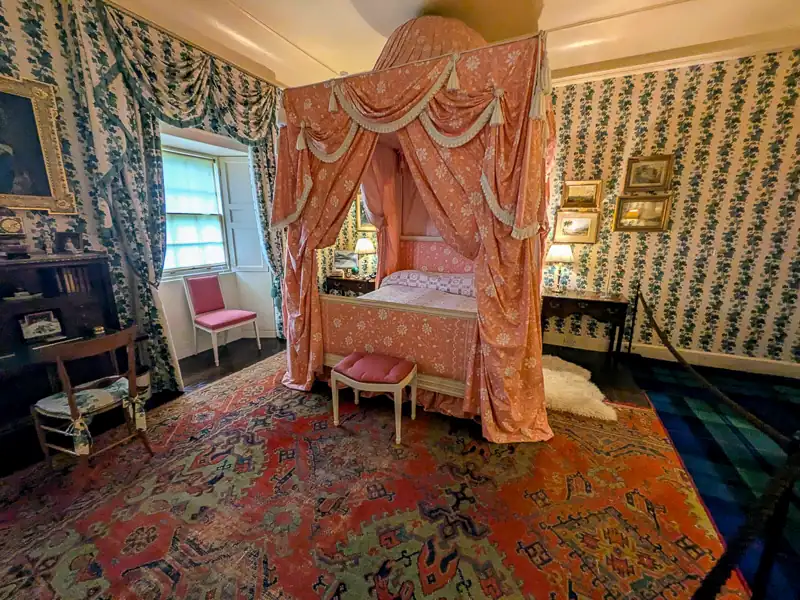
As the centuries passed, Cawdor Castle gradually changed from a defensive fortress into a comfortable family home. New wings were added, rooms were expanded, and the interiors became more elegant. Historic records show that the medieval tower was enlarged and adapted during the sixteenth and seventeenth centuries, making the castle better suited to family life.
The castle was surrounded by farmland, forests, and gardens. Estate workers spent much of their lives managing crops, caring for livestock, maintaining woodland, and carrying out repairs. The estate provided employment for many local people. Hunting and fishing were also important activities for the owners and their guests. These traditions formed a significant part of Highland life for generations.
The natural environment around Cawdor Castle greatly influenced daily life. The Scottish Highlands experience long winters, heavy rain, and strong winds. Residents had to prepare carefully for harsh weather by storing food and fuel. Large fireplaces throughout the castle provided warmth, while thick stone walls helped protect inhabitants from the cold.
Life for children at Cawdor Castle varied depending on their social status. Noble children received education in reading, writing, history, religion, and languages. They were also taught skills necessary for managing land and estates. Children of servants and workers often learned practical skills from an early age, helping with farming, cooking, maintenance, and other everyday tasks.
Religion was another important aspect of castle life. Families attended church services, celebrated religious festivals, and followed traditions that shaped the rhythm of the year. Important events such as weddings, baptisms, and funerals brought together people from across the estate and surrounding communities.
During the Victorian period, life at Cawdor Castle became more comfortable. Landscaping projects improved the grounds, and the estate was modernised while maintaining its historic character. Beautiful gardens were developed, and the castle became known not only as a family residence but also as an important cultural landmark. Historical sources note that the estate continued to evolve while preserving its medieval core.
Today, life at Cawdor Castle is very different from that of the medieval inhabitants. Although it remains connected to the Cawdor family, the castle also welcomes visitors from around the world. Guests can explore historic rooms, admire collections of art and furniture, walk through the gardens, and learn about centuries of Scottish history. The estate includes woodlands, gardens, shops, and visitor facilities that help preserve the site for future generations.
Cawdor Castle stands as a symbol of Scotland’s rich past. From its origins as a fortified tower house to its role as an elegant Highland residence, it reflects the changing lifestyles of the people who lived there. Life at the castle has evolved dramatically over more than six centuries, yet the building continues to preserve the stories, traditions, and culture of generations who called it home. Through its architecture, gardens, and history, Cawdor Castle offers a fascinating glimpse into both medieval and modern Scottish life.
Things to See at Cawdor Castle:
A visit to Cawdor Castle offers much more than a glimpse into Scotland’s past. From historic interiors to beautiful gardens and woodland trails, there is plenty to explore throughout the estate.
The Castle’s Historic Rooms
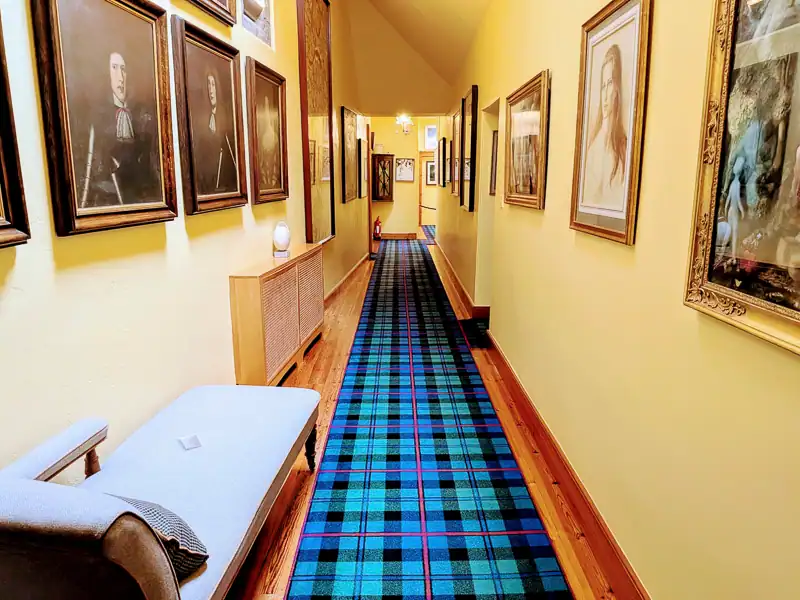
Step inside and discover a collection of beautifully preserved rooms filled with antique furniture, family portraits, tapestries, and artwork. Each room reflects centuries of history and provides insight into the lives of the Cawdor family.
The Legendary Thorn Tree
One of the castle’s most fascinating attractions is the ancient thorn tree around which the original tower was built. According to local legend, the location of the castle was determined by a dream that instructed the Thane of Cawdor to build where a donkey carrying gold came to rest.
The Walled Garden
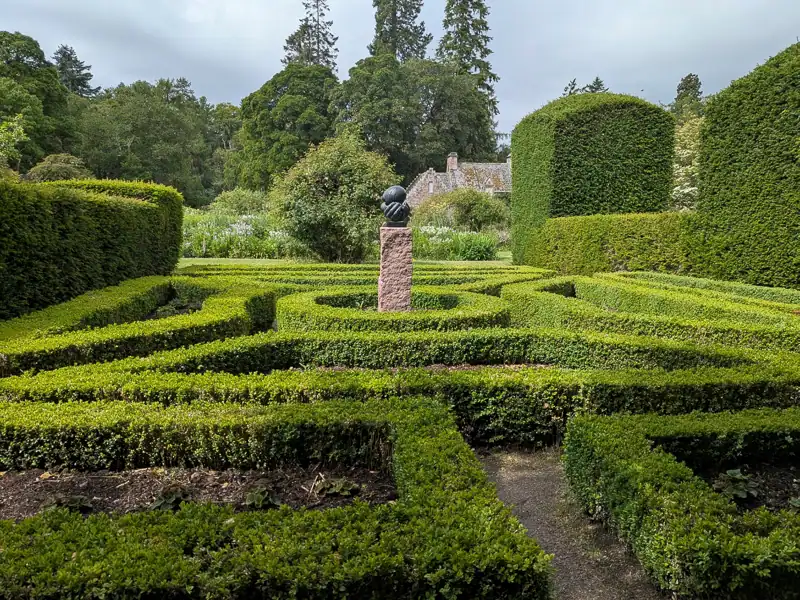
Surrounded by historic stone walls, this charming garden features colourful flower beds, manicured lawns, and seasonal displays that delight visitors throughout the year.
The Flower Garden
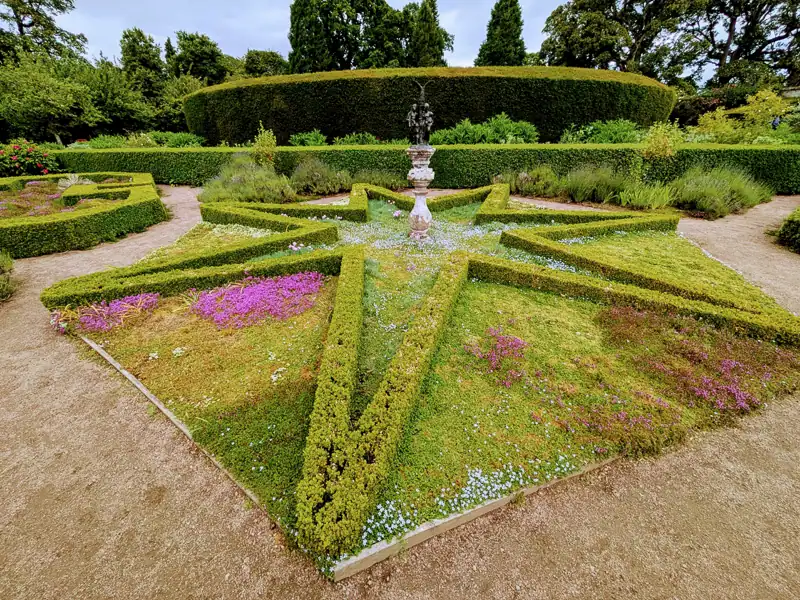
Renowned for its vibrant blooms and carefully designed layouts, the Flower Garden is a favourite spot for photography and quiet relaxation.
The Wild Garden
For those who enjoy nature, the Wild Garden offers peaceful woodland paths lined with native plants, mature trees, and wildflowers, creating a tranquil Highland experience.
Woodland Walks and Estate Grounds
The estate’s scenic trails allow visitors to explore the surrounding countryside, enjoy fresh Highland air, and appreciate the natural beauty that surrounds the castle.
The Gift Shop and Courtyard
Before leaving, visitors can browse a selection of Scottish gifts, local products, books, and souvenirs, making it easy to take home a reminder of their visit.
Together, these attractions make Cawdor Castle one of the most rewarding historic sites in the Scottish Highlands, offering a perfect
The Beautiful Gardens of Cawdor Castle:
One of the most enchanting features of Cawdor Castle is its stunning collection of gardens, which provide a peaceful escape and showcase the natural beauty of the Scottish Highlands. Carefully maintained throughout the year, the gardens combine historic charm with vibrant seasonal displays, making them a highlight of any visit.
The Walled Garden:
Originally established in the 17th century, the Walled Garden is a sheltered oasis filled with colorful flowers, neatly trimmed hedges, and picturesque pathways. Visitors can admire a variety of seasonal blooms while enjoying the tranquil atmosphere created by the garden’s historic stone walls.
The Flower Garden:
The Flower Garden bursts with color during the spring and summer months. Featuring roses, perennials, and ornamental plants, this area offers countless photo opportunities and a chance to experience some of Scotland’s finest horticultural displays.
The Wild Garden:
In contrast to the formal landscaping of the other gardens, the Wild Garden embraces a more natural setting. Winding paths lead visitors through woodland areas rich in native plants, wildflowers, and mature trees. The peaceful environment makes it an ideal place for a leisurely stroll.
Seasonal Highlights:
Each season brings something unique to Cawdor Castle’s grounds. Spring welcomes carpets of daffodils and blossoming trees, summer showcases vibrant floral displays, autumn transforms the landscape with golden and crimson foliage, and winter offers a serene beauty all its own.
Whether you’re a gardening enthusiast, a nature lover, or simply looking for a quiet place to relax, the gardens of Cawdor Castle provide a memorable experience that perfectly complements the castle’s historic grandeur.
Wildlife and Nature Around Cawdor Castle:
Cawdor Castle is surrounded by beautiful Highland countryside, making it an ideal destination for visitors who appreciate nature as much as history. The estate’s woodlands, gardens, and open spaces provide a habitat for a variety of wildlife and offer a peaceful escape from the hustle and bustle of everyday life.
Scenic Woodland Trails
The castle estate features charming walking paths that wind through ancient woodlands and landscaped grounds. These trails allow visitors to experience the natural beauty of the Scottish Highlands while enjoying tranquil views and fresh country air.
Native Flora and Fauna
Throughout the estate, visitors can encounter a range of native Scottish plants, wildflowers, and mature trees. The changing seasons bring new colours and textures to the landscape, ensuring every visit offers a unique experience.
Birdwatching Opportunities
The quiet surroundings attract a variety of bird species, making Cawdor Castle a pleasant destination for birdwatchers. Visitors may spot songbirds among the trees while exploring the estate’s peaceful pathways.
A Haven for Relaxation
Beyond its historical significance, the castle grounds provide a calming environment where guests can slow down, enjoy nature, and appreciate the stunning scenery that makes the Highlands so special.
Whether you’re taking a leisurely stroll, photographing the landscape, or simply enjoying the peaceful atmosphere, the natural surroundings of Cawdor Castle add another unforgettable dimension to your visit.
Cawdor Castle Timeline:
Before the 14th Century
According to local legend, the location of Cawdor Castle was chosen after the Thane of Cawdor dreamed that he should build a castle where a donkey carrying gold came to rest. The donkey supposedly stopped beside a thorn tree, which became central to the castle’s story.
c. 1370s
Construction of the original tower house began. This medieval keep forms the oldest part of the castle that visitors see today.
15th Century
The castle expanded beyond its original tower, with additional defensive and residential structures added as the estate grew in importance.
16th Century
Cawdor Castle became a prominent Highland residence. Enhancements were made to improve comfort while maintaining its fortified character.
17th Century
The estate continued to develop, including the creation of the famous Walled Garden, which remains one of the castle’s main attractions.
18th Century
Further renovations transformed parts of the castle into a more elegant family home, reflecting changing architectural tastes.
19th Century
Extensive restoration and improvements preserved the historic building while enhancing the estate’s gardens and grounds.
20th Century
Cawdor Castle opened to visitors, allowing the public to explore its rich history, impressive interiors, and beautiful surroundings.
Today
Cawdor Castle remains one of Scotland’s most popular historic attractions, welcoming visitors from around the world who come to experience its history, gardens, and legendary connection to Shakespeare’s Macbeth.
To learn more about Cawdor Castle and visitor information, visit the official Cawdor Castle website.
You may also enjoy reading about Castle Fraser and its place in Scotland’s rich history
